
Car Lockout Roadside Assistance Fast Help
- allislandtowingand
- May 14
- 5 min read
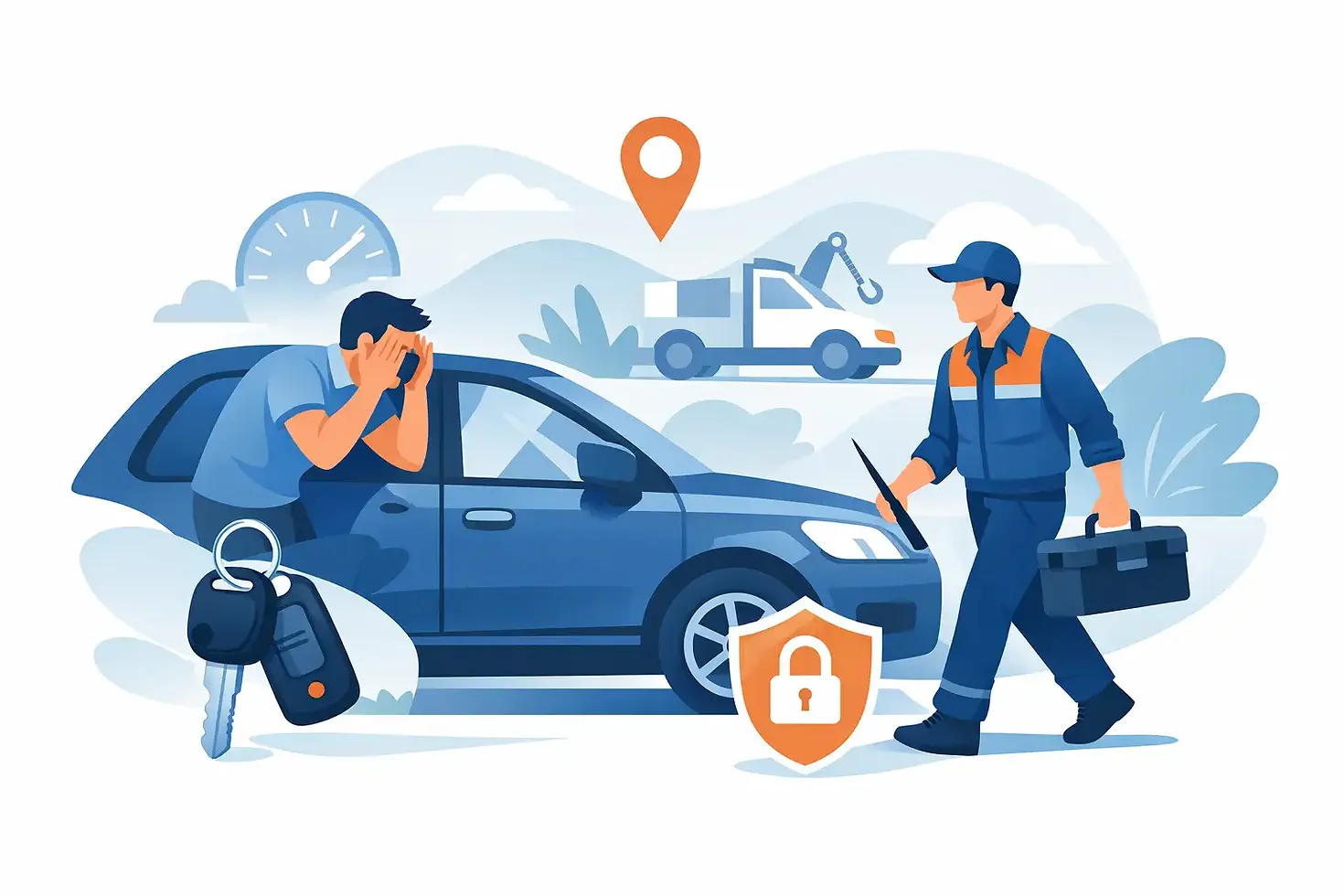
You notice it the second the door clicks shut - keys on the seat, phone in your pocket, and no way back into the vehicle. Car lockout roadside assistance is one of those services nobody plans to need, but when it happens, speed and care matter more than anything else.
A lockout can hit anywhere across Vancouver Island. It might be in a grocery store parking lot in Parksville, outside work in Nanaimo, at a trailhead near Port Alberni, or late at night on the shoulder between communities. The situation feels simple, but the wrong response can turn it into a more expensive problem. Modern vehicles are not built for improvised entry. Window seals, weather stripping, electronic locks, side airbags, and anti-theft systems all make forced entry a bad idea.
When car lockout roadside assistance makes the most sense
If your keys are visible inside the vehicle, the engine is off, and the car is parked safely, professional lockout service is usually the quickest fix. A trained operator has the right tools to open the door with less risk of damage than coat hangers, wedges from a hardware store, or a rock through the glass.
That matters more than many drivers expect. Newer vehicles often have tighter tolerances around the door frame, and a rushed attempt can bend the frame just enough to create wind noise or water leaks later. On some models, trying to force the lock can also damage interior trim or interfere with the locking mechanism itself. What looks like a quick DIY solution can leave you paying for a body shop visit or a repair appointment after the fact.
There are also situations where a lockout is not really just a lockout. If the battery is dead and the power locks will not respond, or if the key fob has failed, you may need a combination of roadside services rather than a door opening alone. That is where working with a provider that handles more than one kind of roadside issue saves time.
What to expect from car lockout roadside assistance
The process should be straightforward. You call for help, confirm your location, provide the vehicle make and model if possible, and explain whether the keys are inside, lost, or the fob is not working. From there, the goal is to dispatch the right help without wasting time.
A proper lockout response is not about brute force. It is about controlled access. The operator assesses the vehicle, chooses the least invasive entry method available, and works carefully around the door, window, and lock area. If the issue turns out to be battery-related or tied to a fault with the vehicle rather than a true lockout, that should be identified early so you are not paying for the wrong service call.
For drivers on Vancouver Island, response time also depends on where the vehicle is located. Service in town is different from service on a back road, at a campground, or along a less-travelled stretch between communities. A local company with broad regional coverage is often better positioned than a call centre trying to coordinate from somewhere else.
Why local coverage matters on Vancouver Island
Roadside help is always local in practice, even when the booking process is not. Distances, ferry-dependent supply chains, weather, and road conditions all affect how quickly a provider can get to you here. That is true whether you are in Qualicum Beach, Coombs, Bowser, Courtenay, Campbell River, or a rural area just outside town.
A local operator understands the roads, common service routes, and the difference between a downtown parking lot call and a roadside stop on the way to a campground. That local knowledge helps with dispatch, but it also helps with expectations. If the weather is rough or the vehicle is in a difficult access point, you want clear communication, not vague timing.
This is one reason many Island drivers prefer a provider that can handle towing, battery boosts, flat tires, fuel delivery, and lockouts under one roof. Emergencies do not arrive neatly labelled. A vehicle that will not open may also be a vehicle that will not start once you get inside.
The real risks of trying to open the car yourself
People still try the old tricks because they have seen them online or remember them working on older vehicles. The problem is that older methods were built for older cars. Today, slim metal tools, inflatable wedges, or improvised prying can easily scratch paint, tear seals, crack trim, or trigger a much bigger repair.
There is also the safety side. If you are locked out on the roadside, on a narrow shoulder, in poor weather, or after dark, standing beside the vehicle and experimenting with a DIY entry method can put you in harm's way. In those moments, the best move is usually to stay visible, stay safe, and let a trained operator handle the vehicle.
It also depends on who is locked out. If a child, senior, pet, or vulnerable person is inside the vehicle, the situation changes immediately. That is no longer a routine inconvenience. It is an urgent safety matter and should be treated as such when you call.
Choosing the right roadside provider for a lockout
Not every roadside company offers the same level of service. Some only tow. Some subcontract lockout calls. Some can open the vehicle but cannot help if the problem turns out to be electrical, mechanical, or related to a dead battery.
A stronger option is a provider with a wider service mix, because lockouts often overlap with other issues. If your key fob battery is dead, if the vehicle battery has failed, or if the lockout happens alongside a flat tire or breakdown, it helps to have one company that can keep solving the problem instead of handing you off to someone else.
That practical approach is part of why drivers across the region look for full-service roadside support. A company such as All Island Towing & Automotive Repairs can respond to immediate lockout calls while also being positioned to help with towing or follow-up repairs if the situation develops into something more than a locked door.
How to speed up your lockout service call
A few details can make the response smoother. The first is your exact location. Parking lot name, nearby business, direction of travel, highway marker, gate code, or campground site number all help. "I am near Nanaimo" is harder to dispatch than "I am in the north lot beside the hardware store off the Island Highway."
The second is vehicle information. Make, model, colour, and licence plate help the operator identify the right vehicle quickly, especially in apartment lots, shopping centres, and roadside pullouts. If you know whether the keys are in the front seat, trunk, or ignition, mention that too.
The third is being clear about urgency. If a pet is inside, if the engine is running, or if the vehicle is stopped in an unsafe location, say that right away. Those details affect how the call should be prioritized.
Preventing the next lockout
No prevention plan is perfect, but a few habits lower the odds. Keep your key fob battery fresh. If your vehicle allows app-based access or a keypad code, make sure you know how it works before an emergency. Consider carrying a spare key in a secure, non-obvious way if that fits your situation.
It also helps to think beyond the lockout itself. Membership-based roadside support can be a practical choice for drivers who want help not only with locked keys but also with dead batteries, flat tires, fuel delivery, and towing. For families with multiple vehicles, commuters covering long distances, or RV owners travelling between communities, that kind of coverage can reduce both stress and out-of-pocket cost over time.
A lockout is frustrating, but it does not have to become a damaged door, a broken window, or an all-day problem. When you need car lockout roadside assistance, the best help is fast, careful, local, and ready for whatever the vehicle needs next. On Vancouver Island, that peace of mind counts for a lot when the keys are on the wrong side of the glass.


Comments